Nancy Grace Roman Air conditioning heros
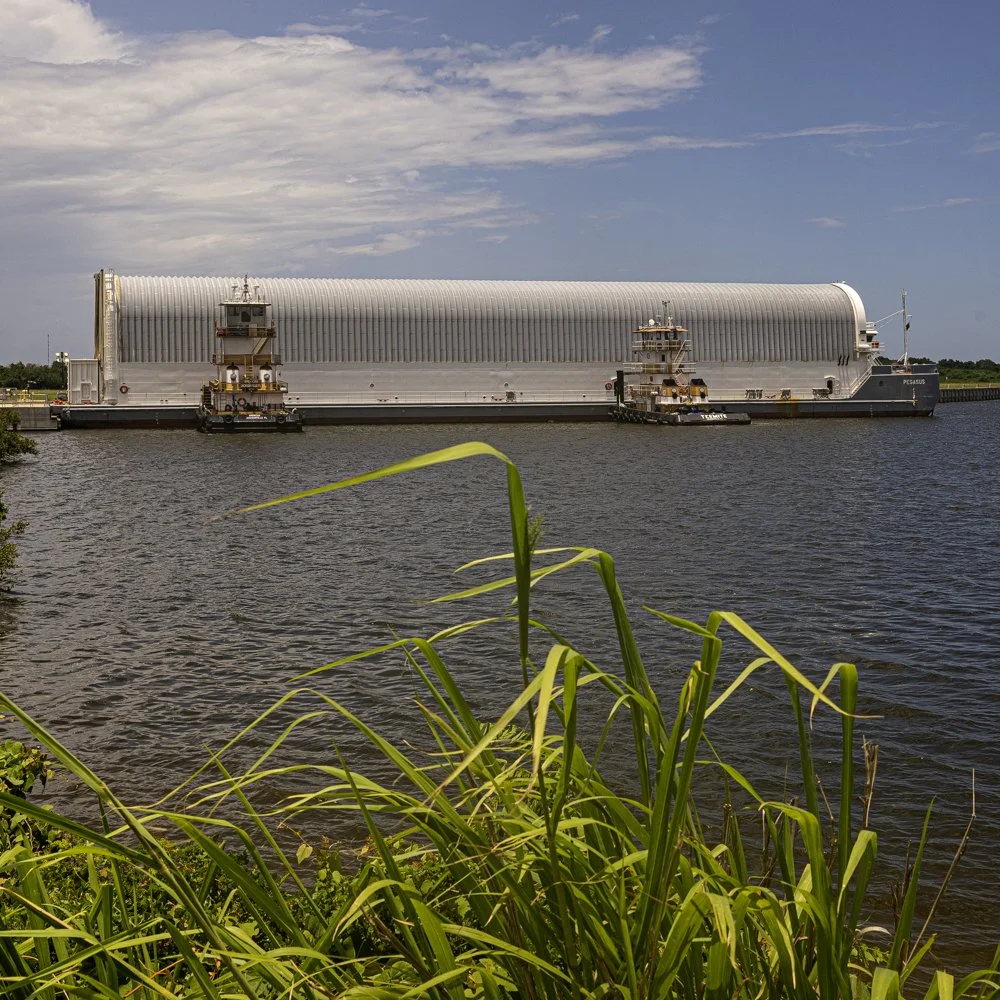
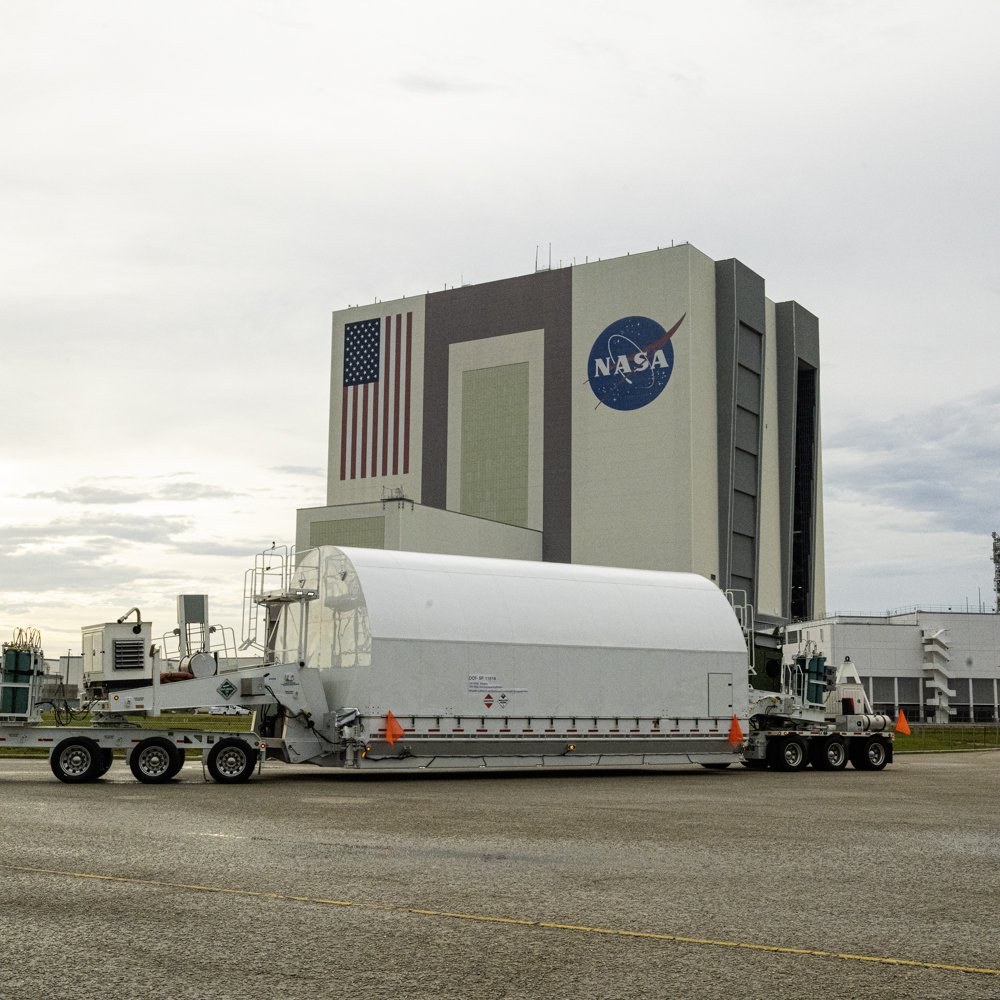
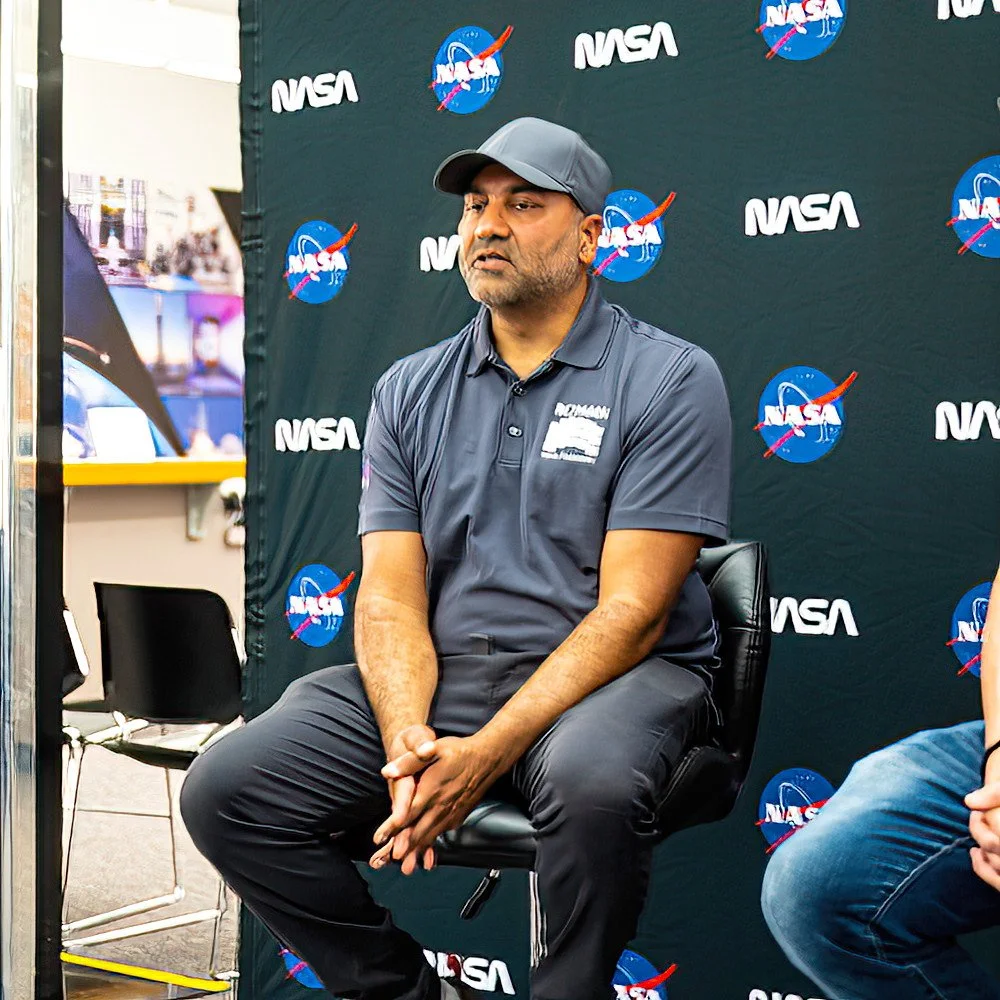
When the Pegasus barge arrived from NASA Goddard in Greenbelt, Maryland, Neil Patel the lead mechanical engineer on the Roman project spoke with media and mentioned a temperature issue that had been encountered enroute.
Temperatures inside the enclosure had come dangerously close to 72F. The air-conditioning and back up air-conditioning system were failing at maintaining the temperatures below 72. What was not mentioned was why this was a critical issue. Research into this has yielded the following:
The NGR satellite has numerous (18) mercury cadmium telluride infrared detectors (HgCdTe) installed in various locations. For those unfamiliar with mercury cadmium telluride technology, it is what is used in night vision systems currently used by the U.S. Military.
The main downside to HgCdTe is its sensitivity to external heat (the trip to Florida encountered much higher than normal temperatures and humidity than expected after leaving NASA Goddard.)
The buildup of external heat could cause issues of calibration integrity. All instruments are calibrated for normal operation in extreme cold temperatures.; thermal damage to material used in the build with bonding to electronics. Lastly contamination risks that could be presented with condensation seen with high humidity.
Mr. Patel accompanied the NGR satellite while it was on the barge and had to find emergency contacts to acquire temporary emergency mobile air conditioning on the fly that were capable of dropping the temperature as well as decreasing the humidity. more importantly, coordinating the arrival and installation e the equipment and crews for the installation in a very short time period.
While the names of the portable & temporary personnel are unknown, Patel likened the fix and crew as a “MacGyver Team approach” Highly probable, Patel had more than a few sleepless nights on the barge.
#romanspacetelescope #nasa #nasakennedy #nasagoddard #portcanaveral #spacecoastdaily #floridaspacecoast #spacex