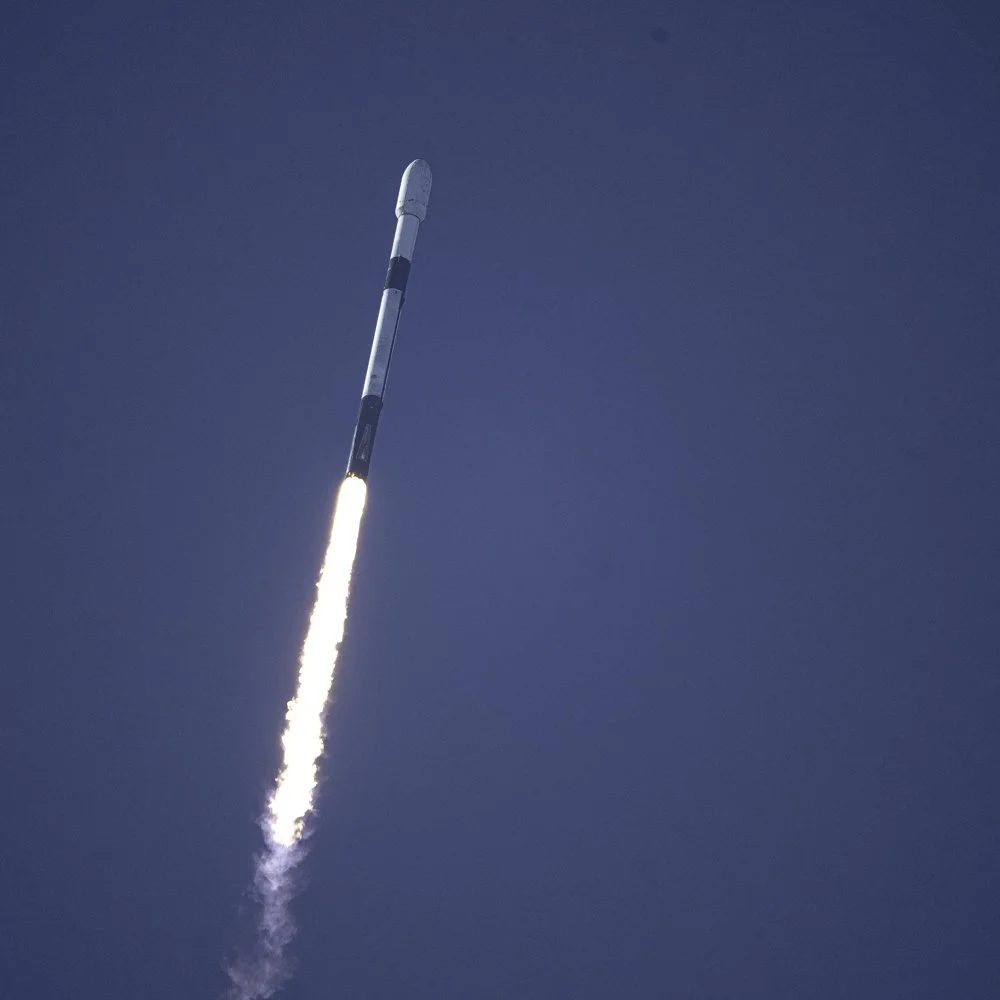
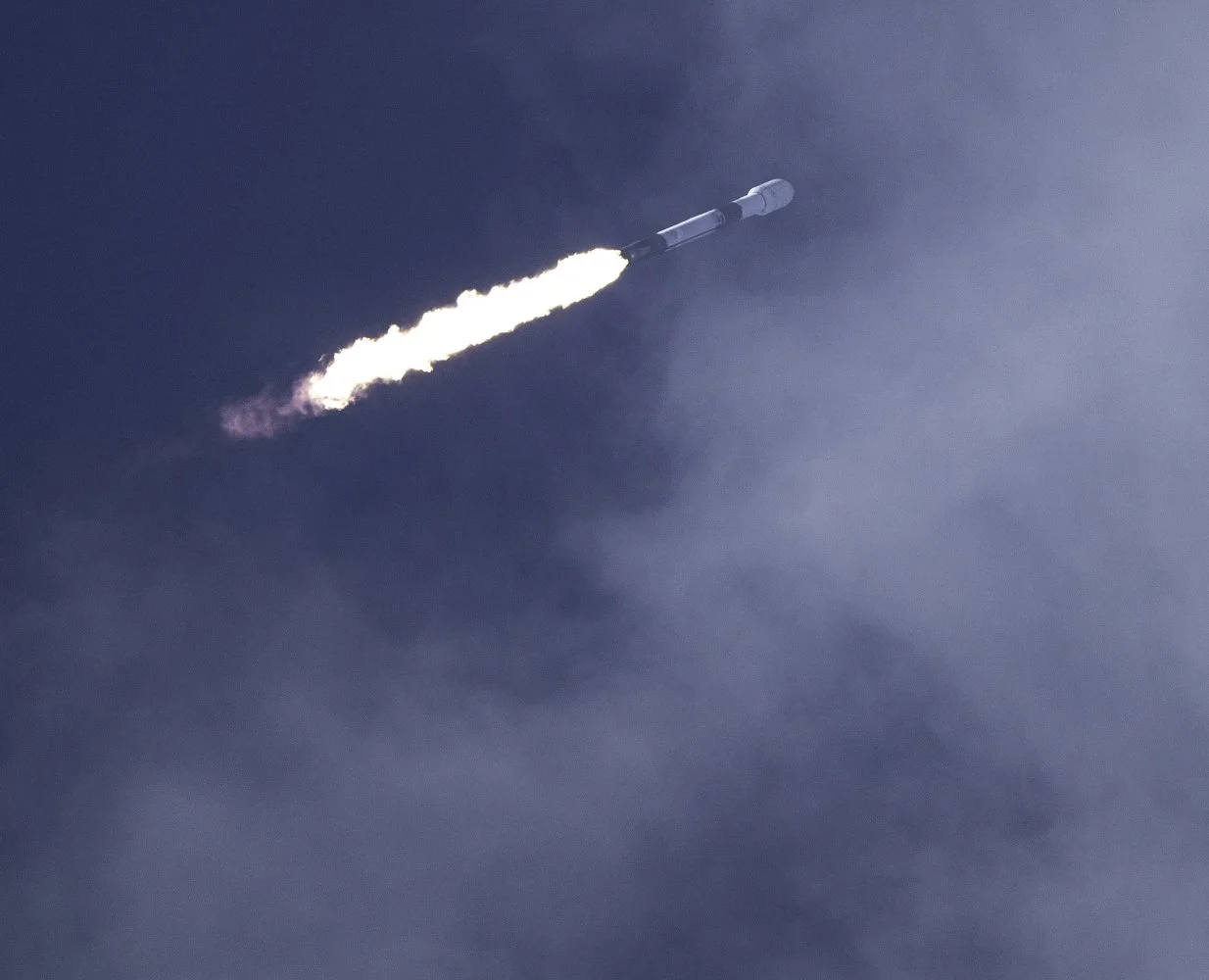
Northrup Grumman & SpaceX send a MacGyver satellite to space
CApe Canaveral Space Force Center, Fl.
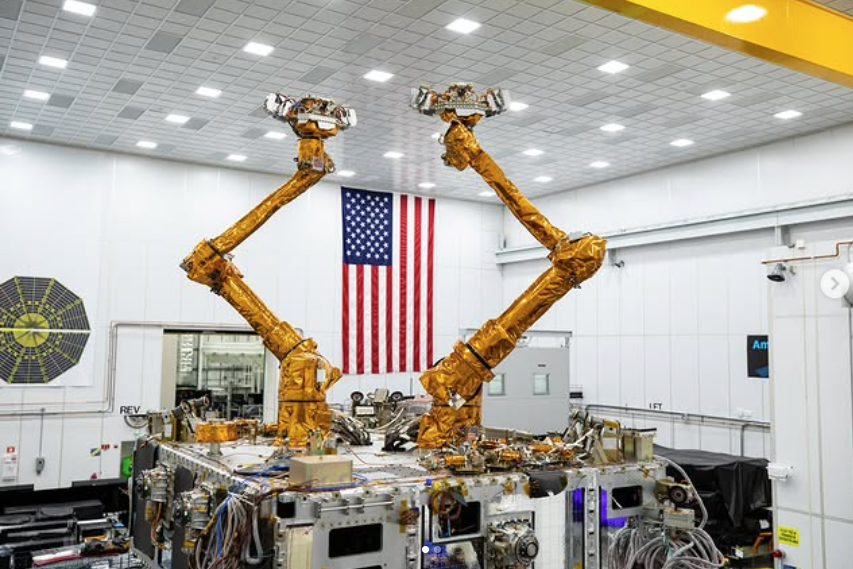
Northrop Grumman’s MRV-1 “MacGyver” Spacecraft
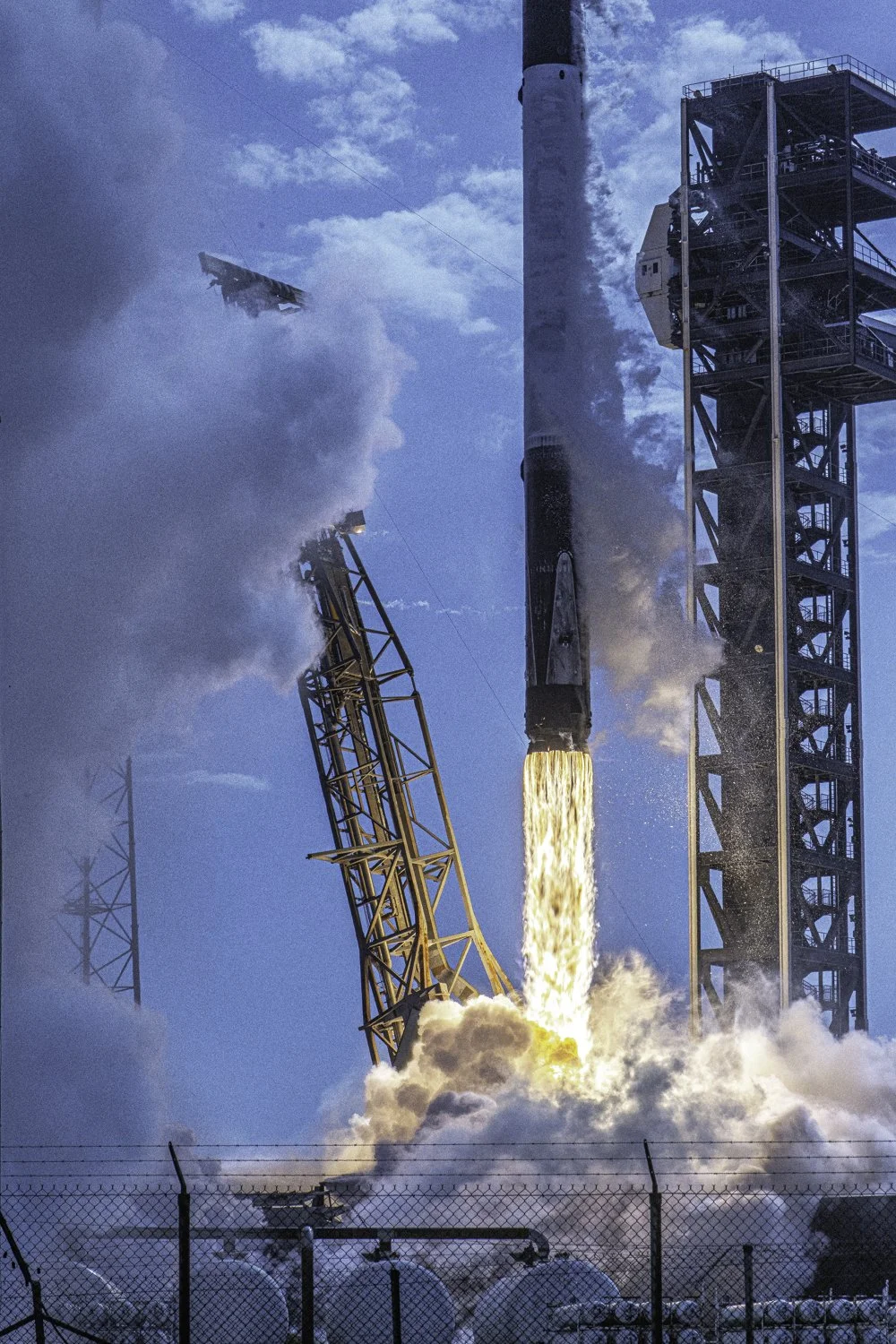
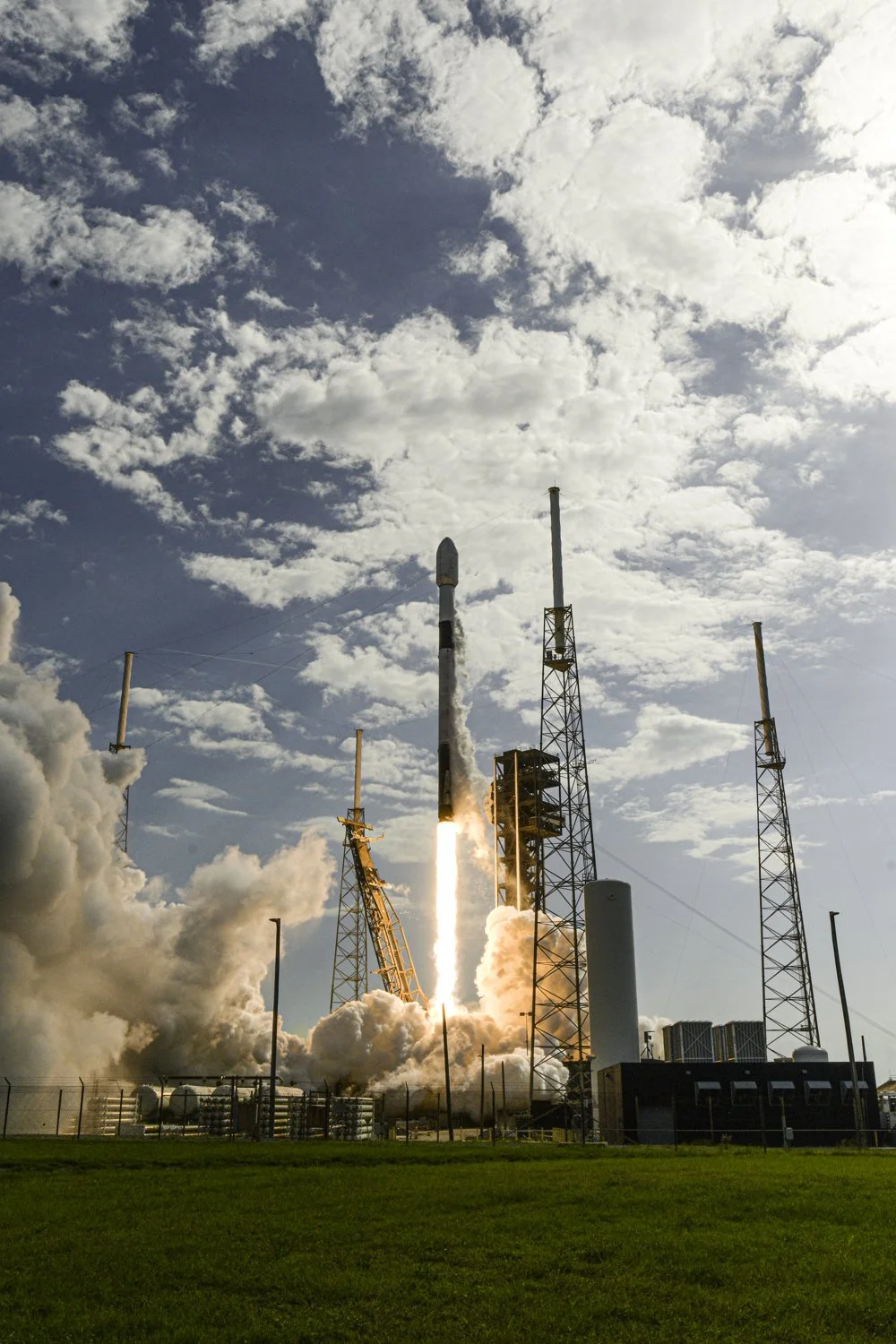
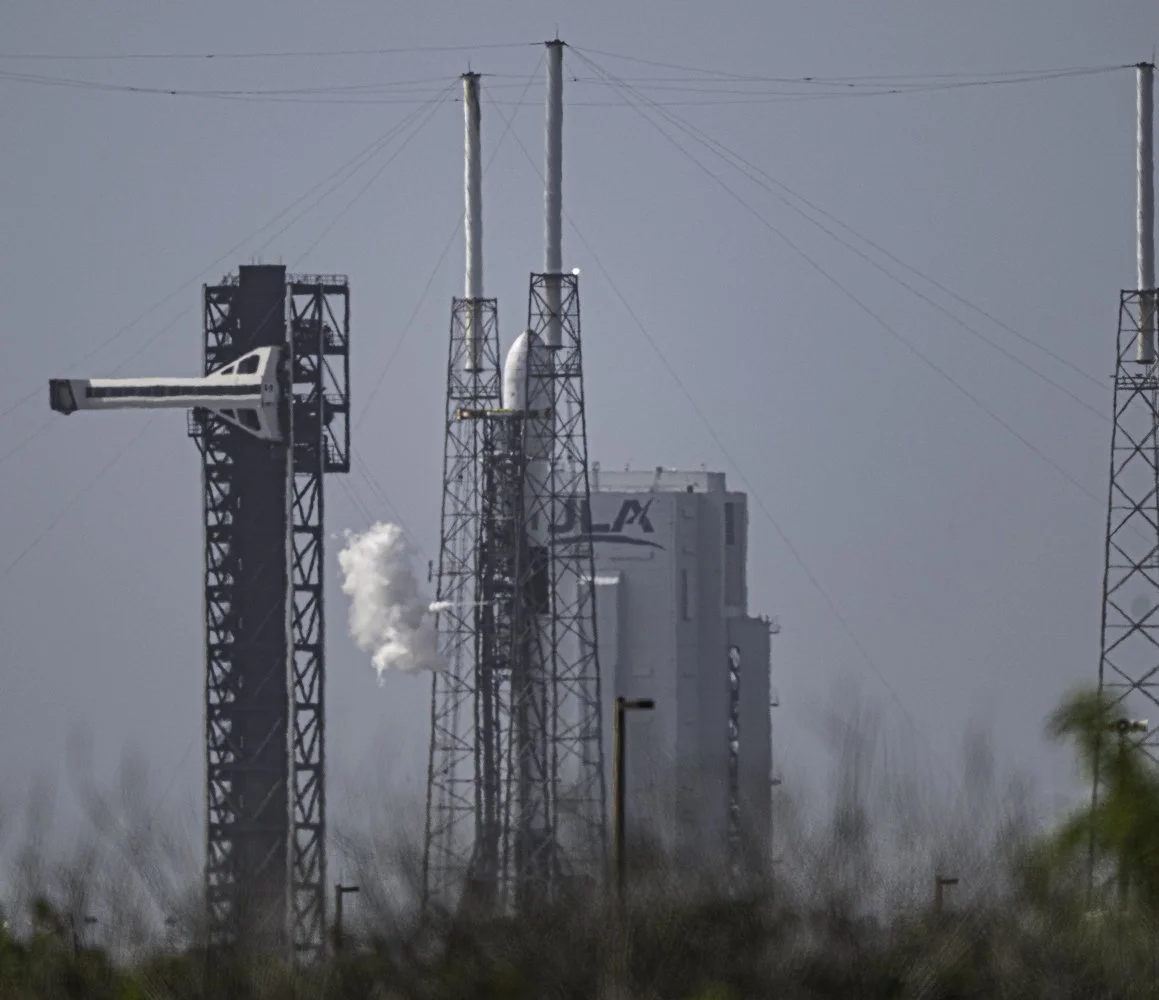
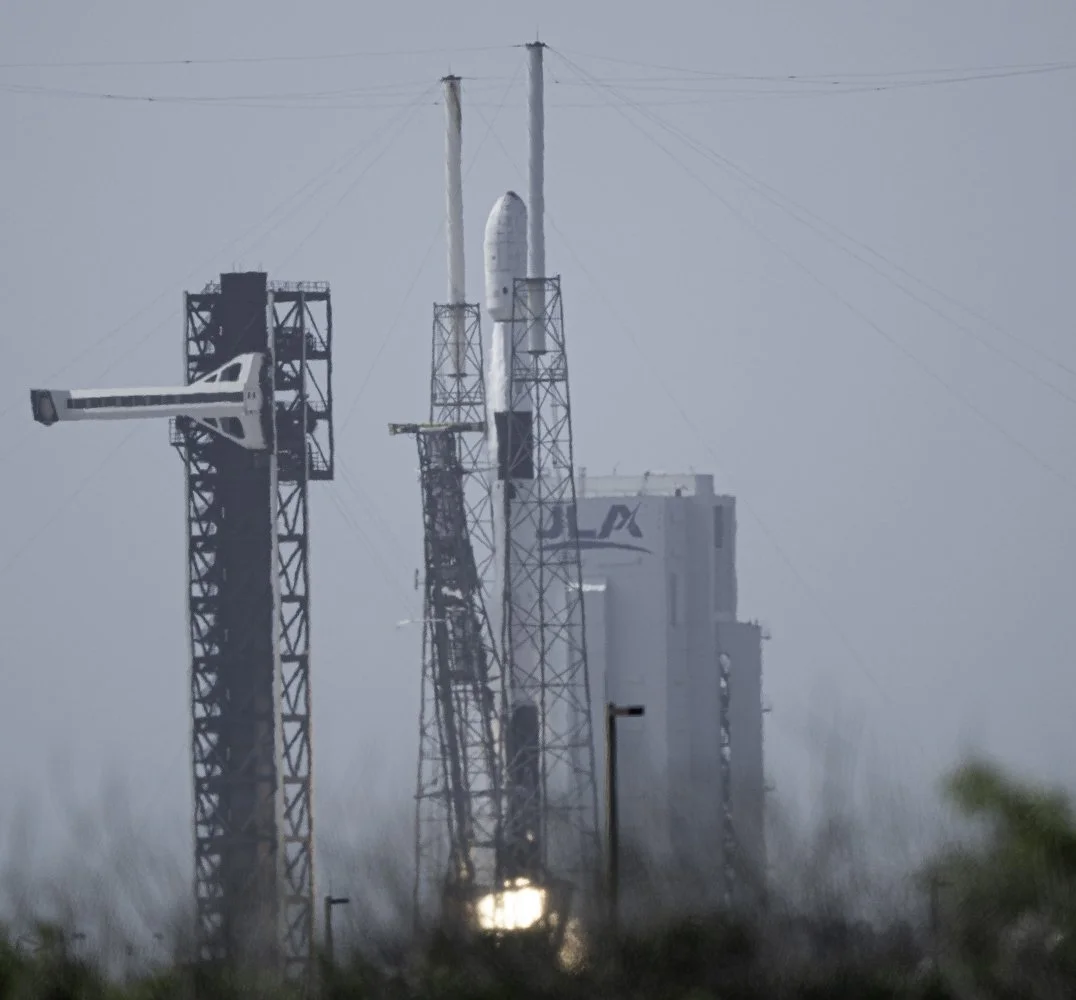
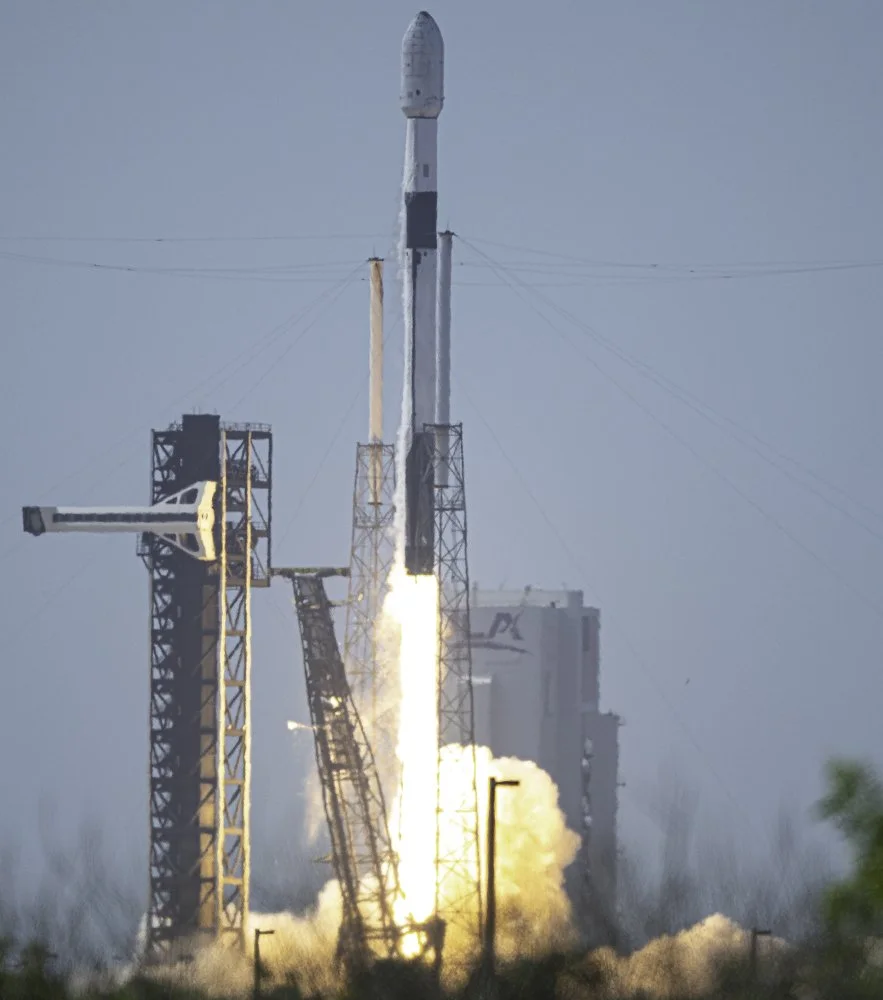
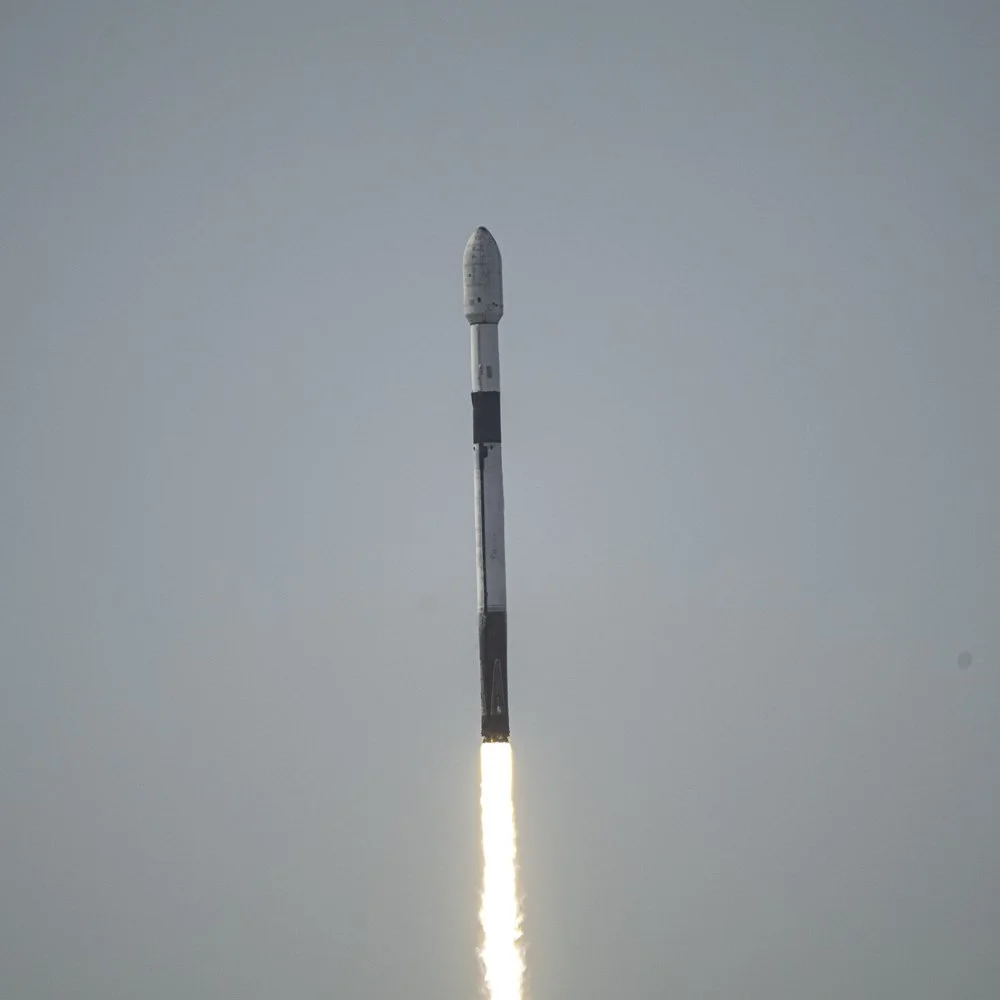
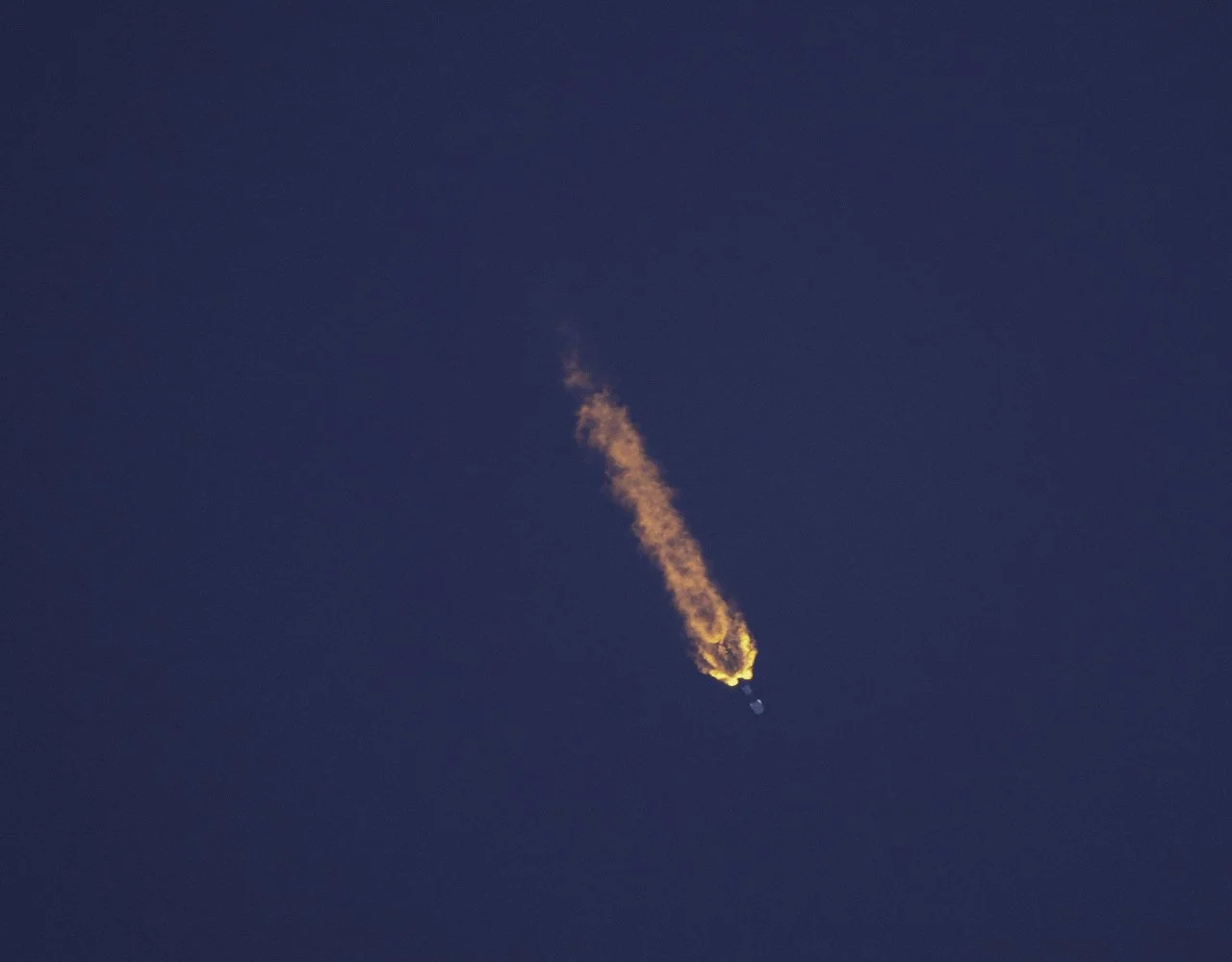
Earlier this afternoon at 5:15 at the opening of the launch window, SpaceX yet again, did what they are so well known for in thye space industry. On time, no delays, no issues. Just 9 Merlin engines firing up and delivering the space cargo to it intended destination.
If one looks back over the history of space launches, only one notable “repair” in space of an orbiting satellite comes to memory, the mirror adjustment of the Hubble Telescope.
However there have been thousands of launches where fuel used for maneuvering has expired, or power batteries have died, solar panels have not expanded leaving countless numbers of multimillion dollar satellites inoperable.
Enter in SpaceLogisitics a subsidiary of Northrup Grumman headquartered in Sterling, Virginia working on a DARPA (Defense Advanced Research Projects Agency). Think of DARPA as an agency where emerging technologies & dreams are justified and brought to life by qualified agencies or private companies.
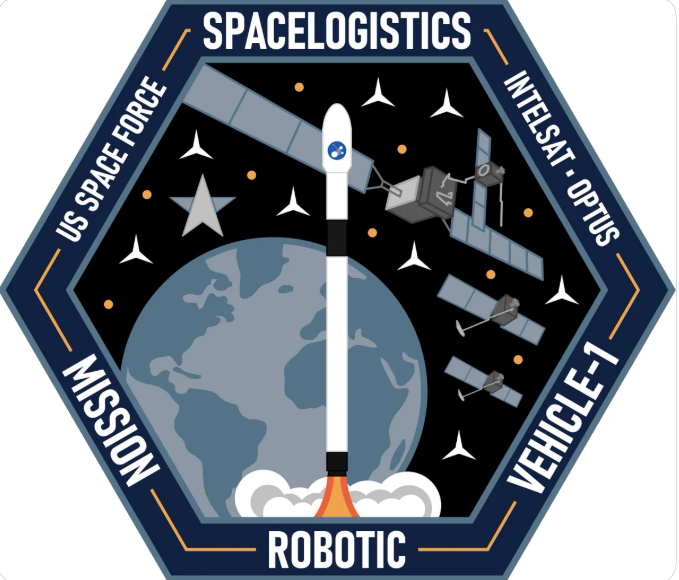
Backed by its parent corporation, Northrup Grumman, SpaceLogistics has designed and built the MRV-1 (Mission Robotic Vehicle). In plain terms think of it as a recovery/repair satellite.
After a year’s trip in reaching a geosynchronous orbit, the MRV-1 will try and attach propulsion systems to failing or failed satellites, physically inspect them, allowing them to be brought back online into service, all while orbiting at about 36,000 kms.
The geosynchronous region is a hotly contested region of space with various types of GEO satellites, military, communications GPS to name a few, each one has the capability of “seeing” or covering roughly 1/3 of the earths surface.
SpaceLogistics has already posed success in tackling this issue of “space repair” with its MEV-1 & MEV-2 successfully docking in 2020 & again in 2021 with aging satellites. The downside is the MEV satellites were single use and expensive.
The MRV and earlier MEV are two different technologies. The MRV is equipped with a robotic arm (RAS-1) (Robotic Arm System-1) designed by the U.S> Naval Research Laboratory with the same dexterity of the human wrist and capable of turning 7 different ways.
Another noticeable difference is the MRV-1 is also capable of being refueled while in orbit and is expected to have a space life of 10 years and the capability to deliver new MEPS to various customers.
Article: Graham Smith/WRS
Images: Graham Smith/WRS … White Room Image: Courtesy of DARPA
#DARPA #usnrl #northrupgrumman #usspaceforce #intelsat #spacex #falcon9 #capecanaveralspaceforcestation #sldelta45 #canaveral.tours #spacecoastdaily #floridaspacecoast #launch @emrekelly