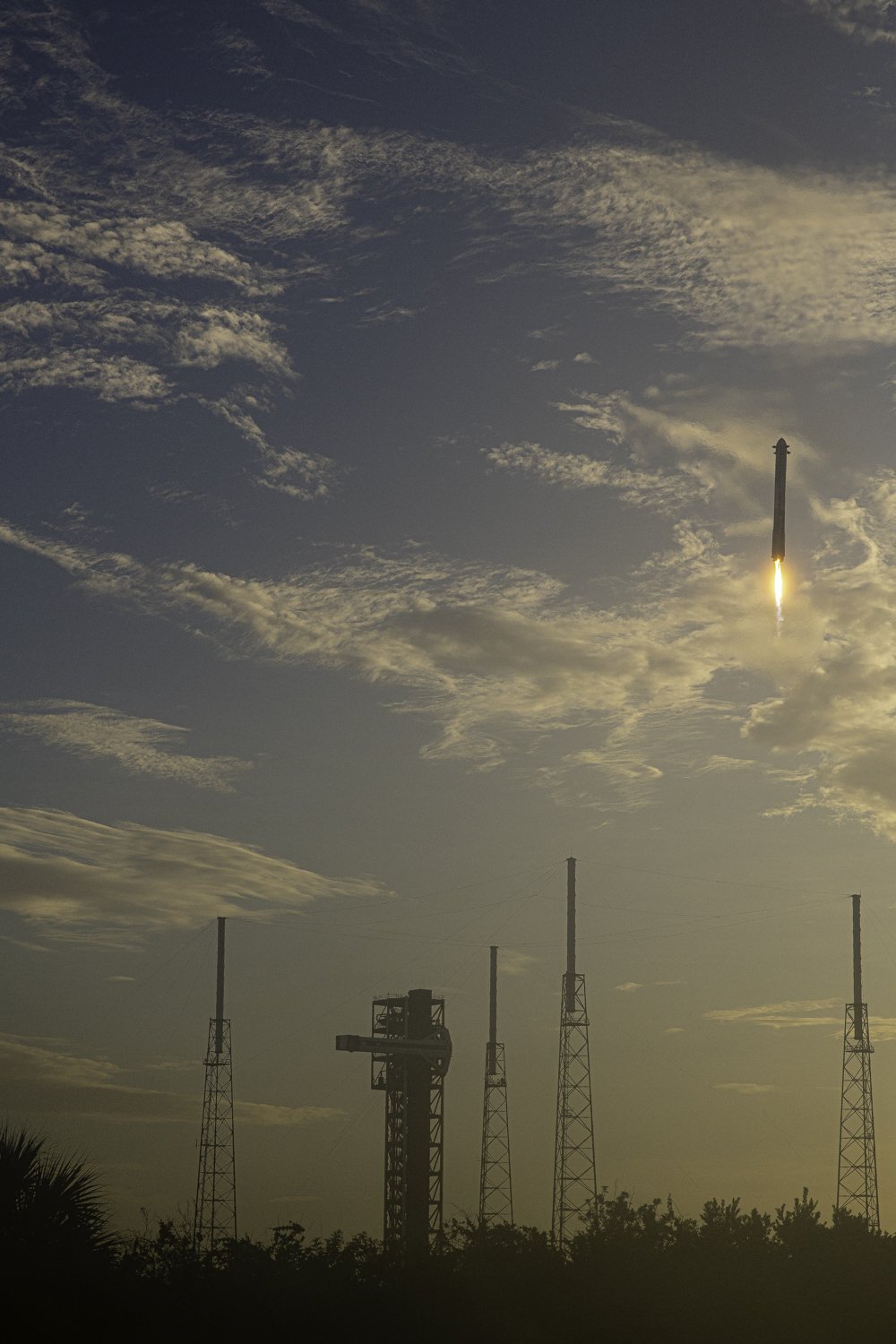
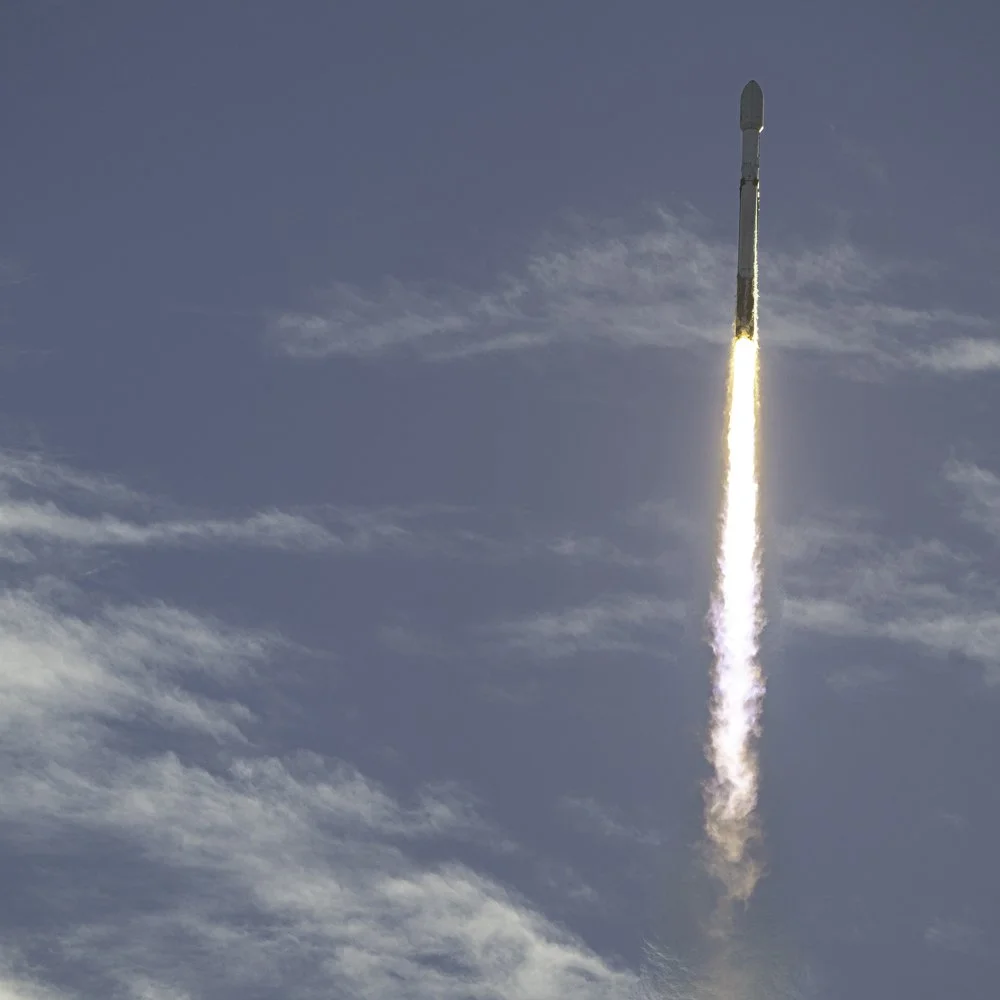
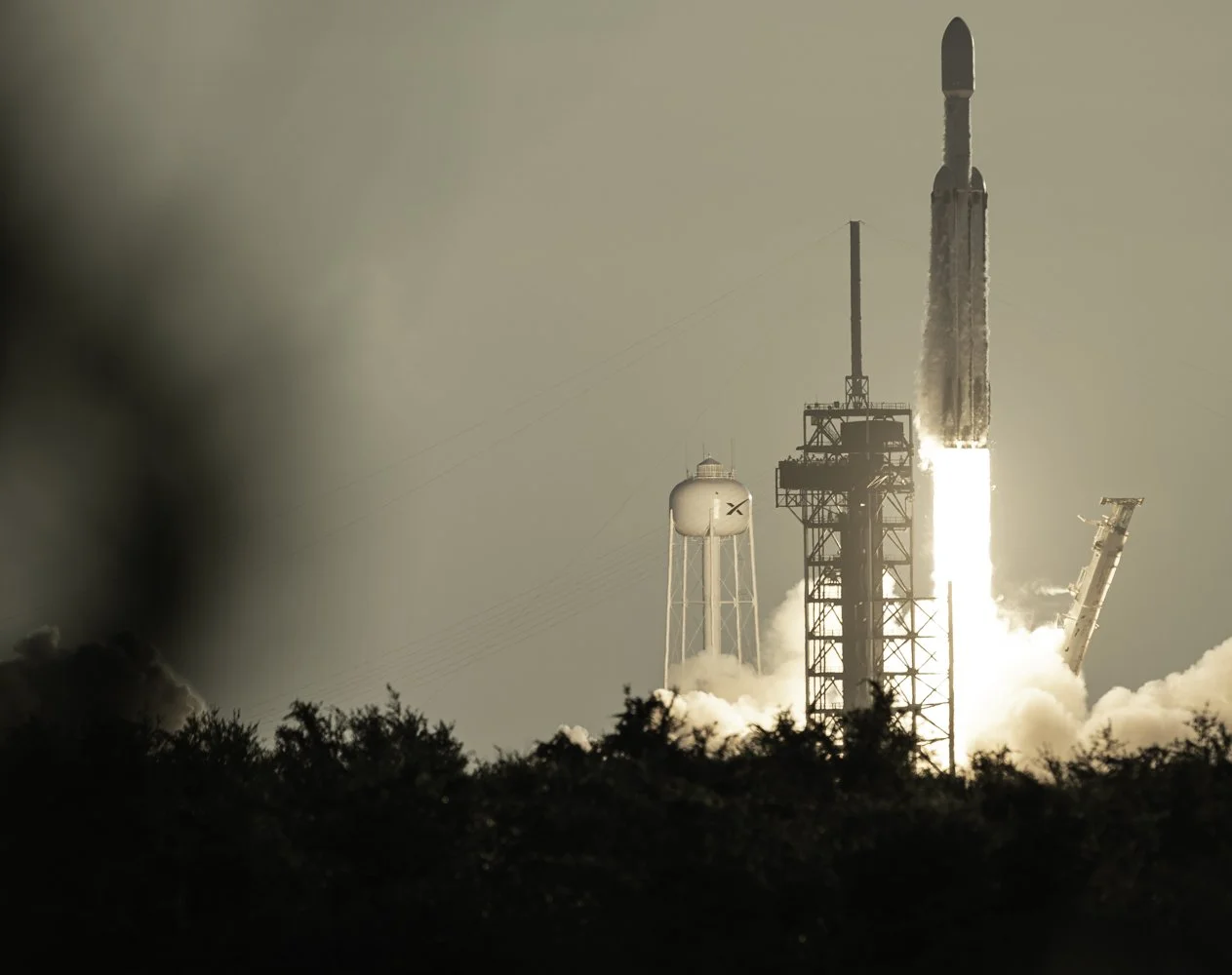
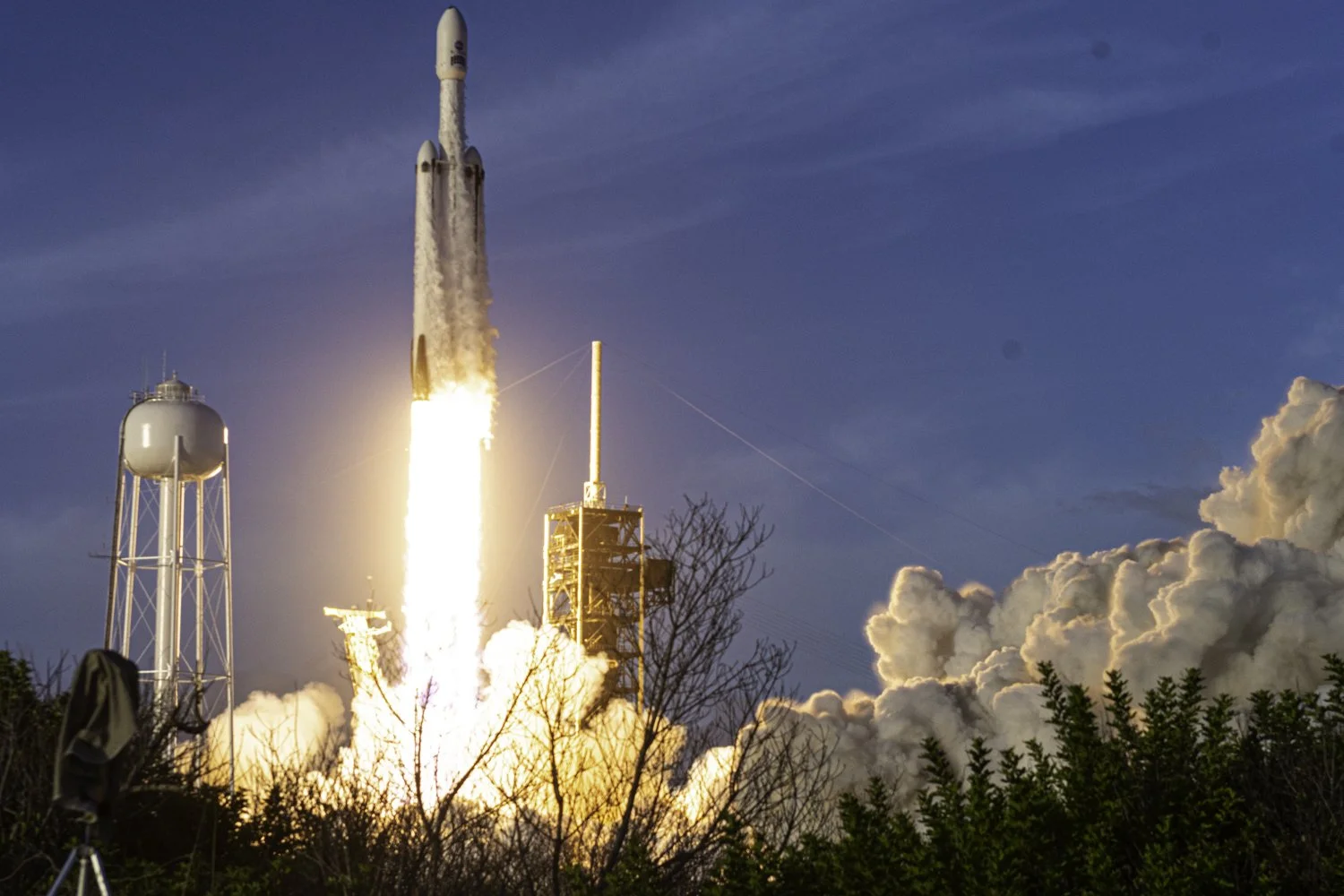
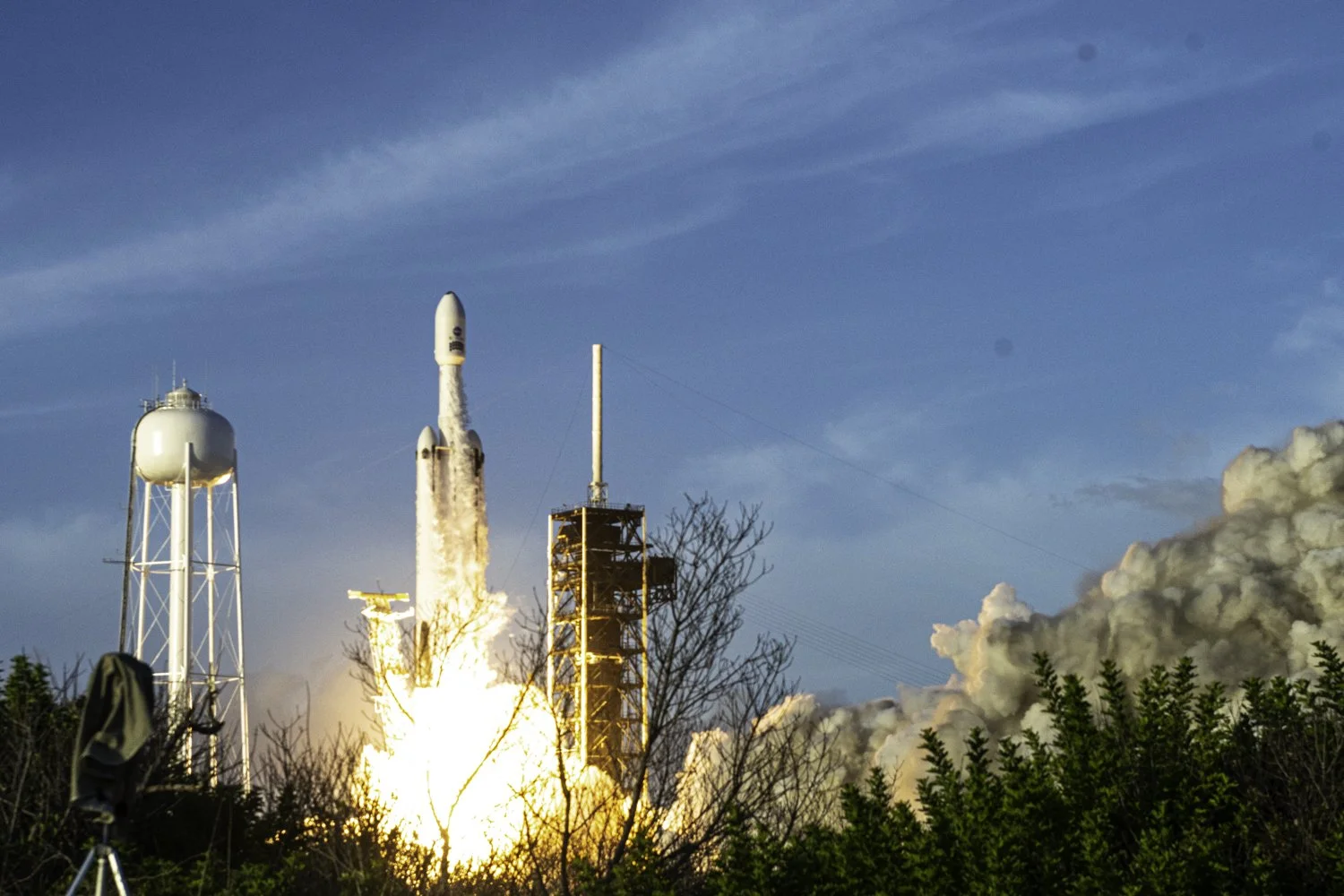
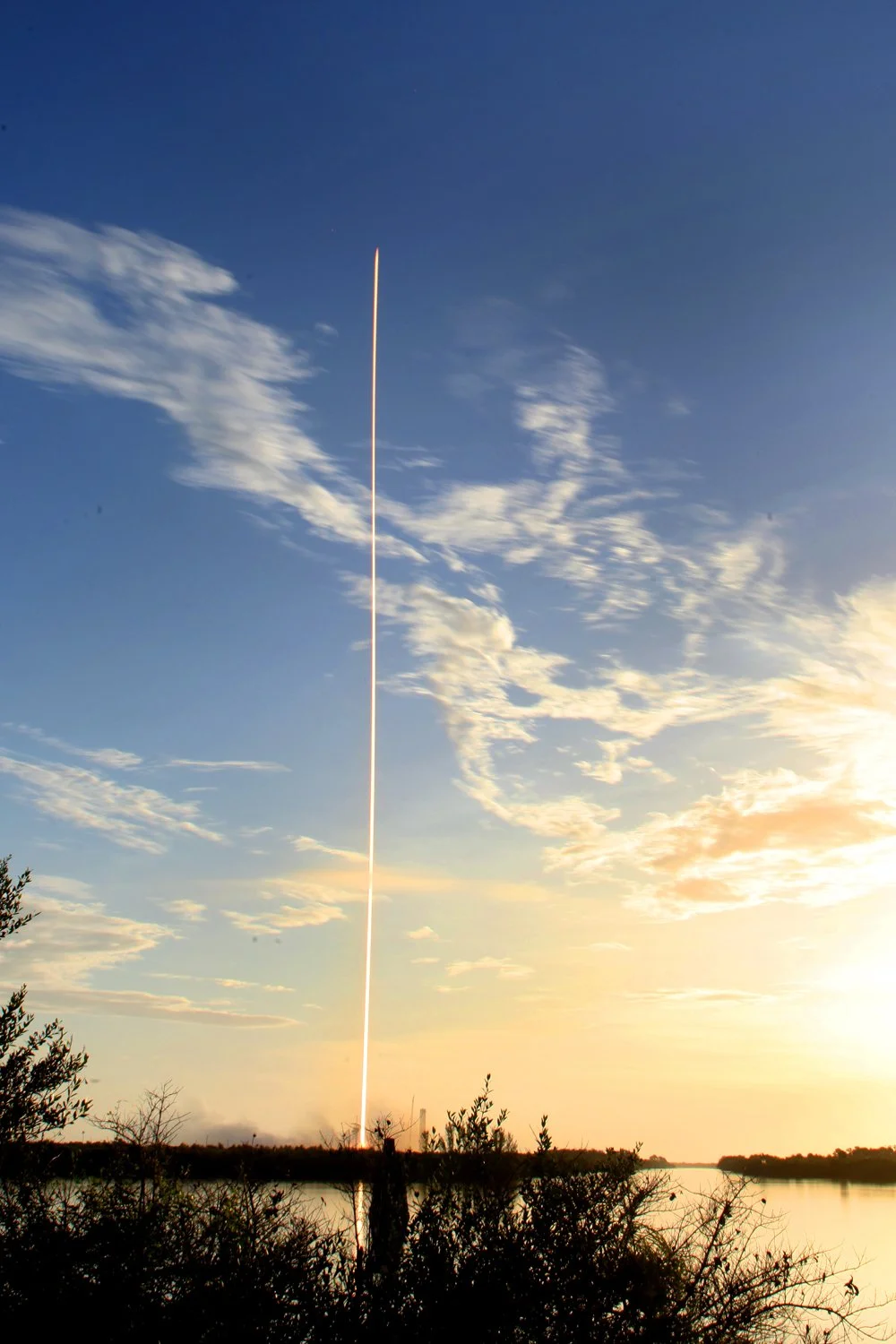
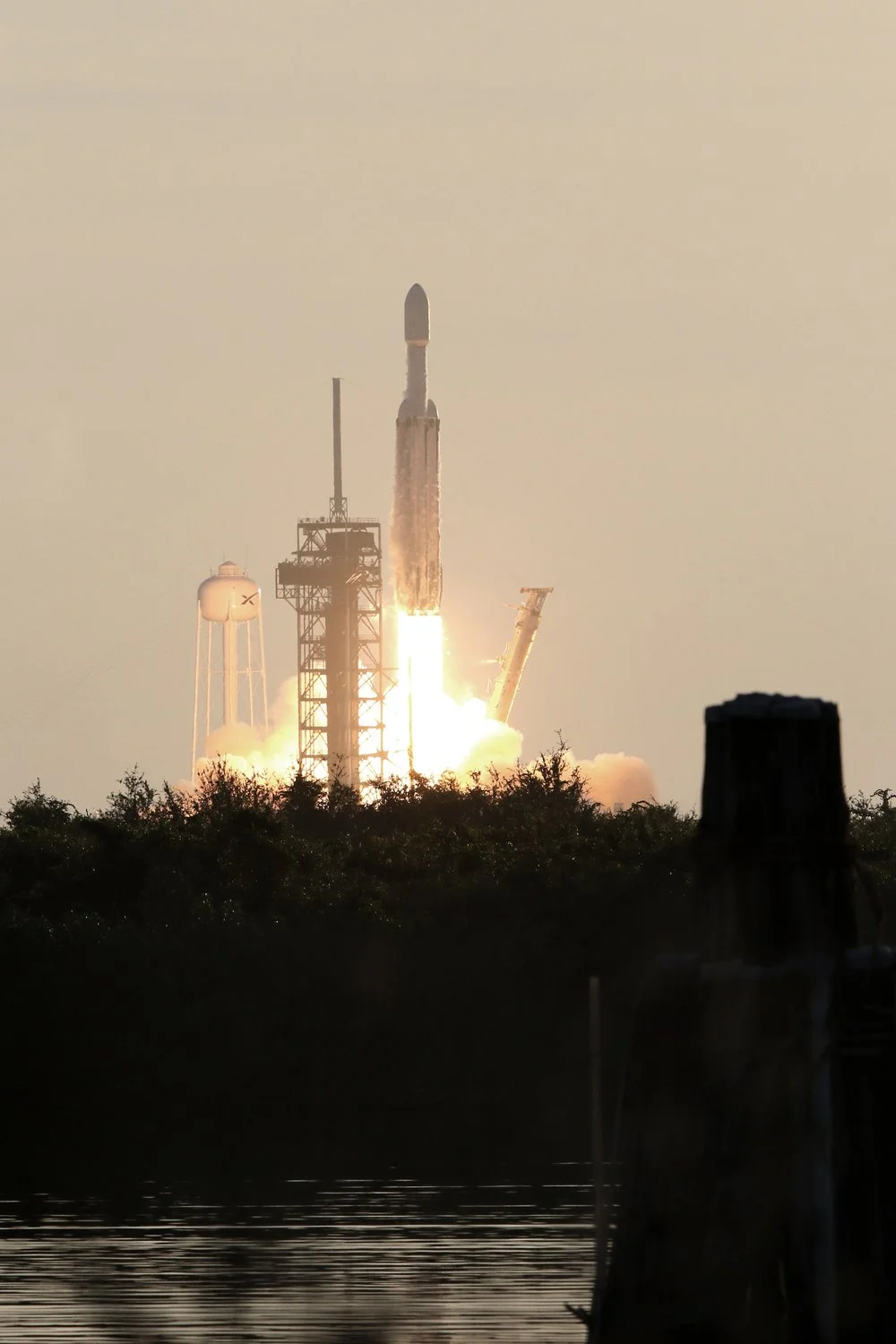
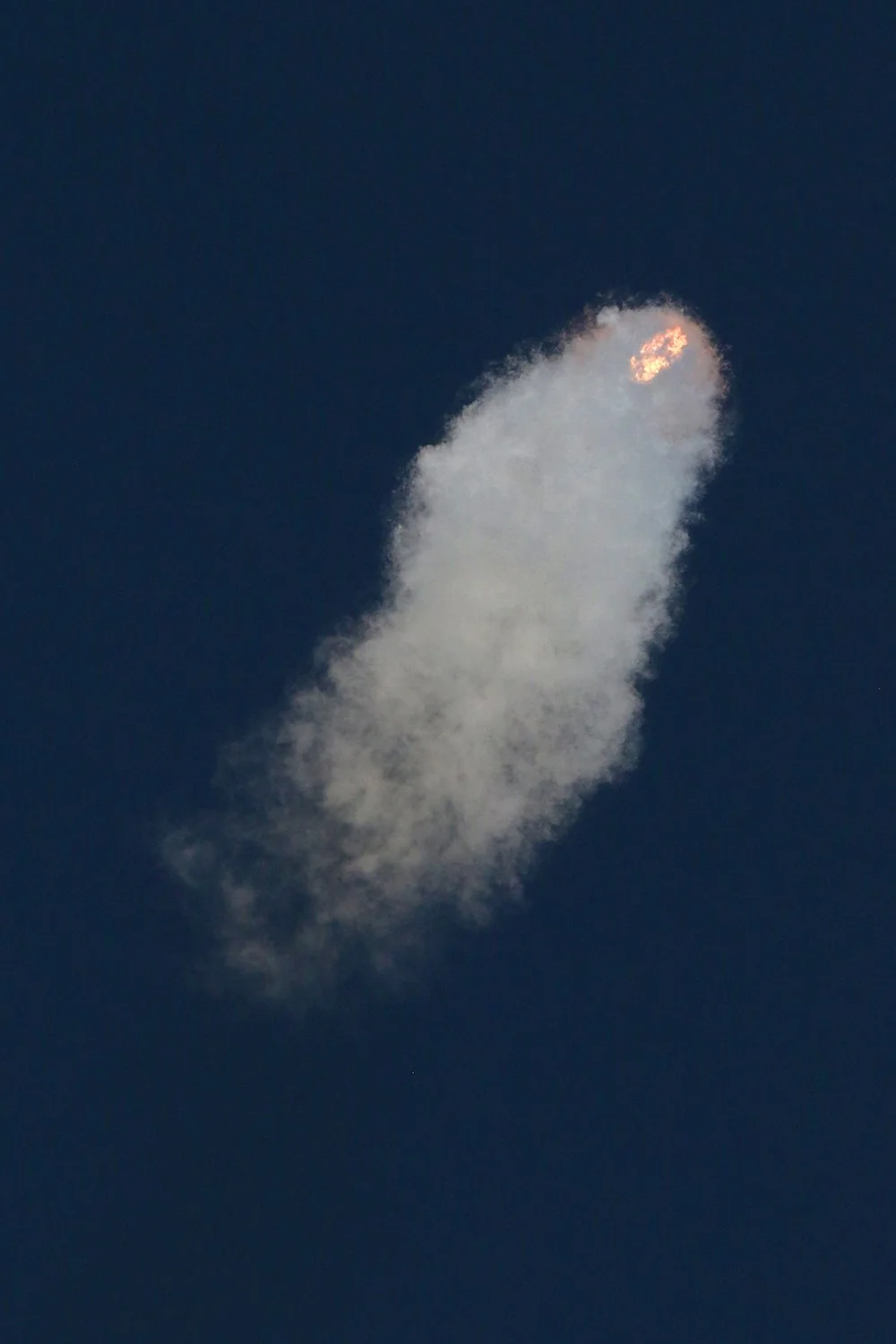
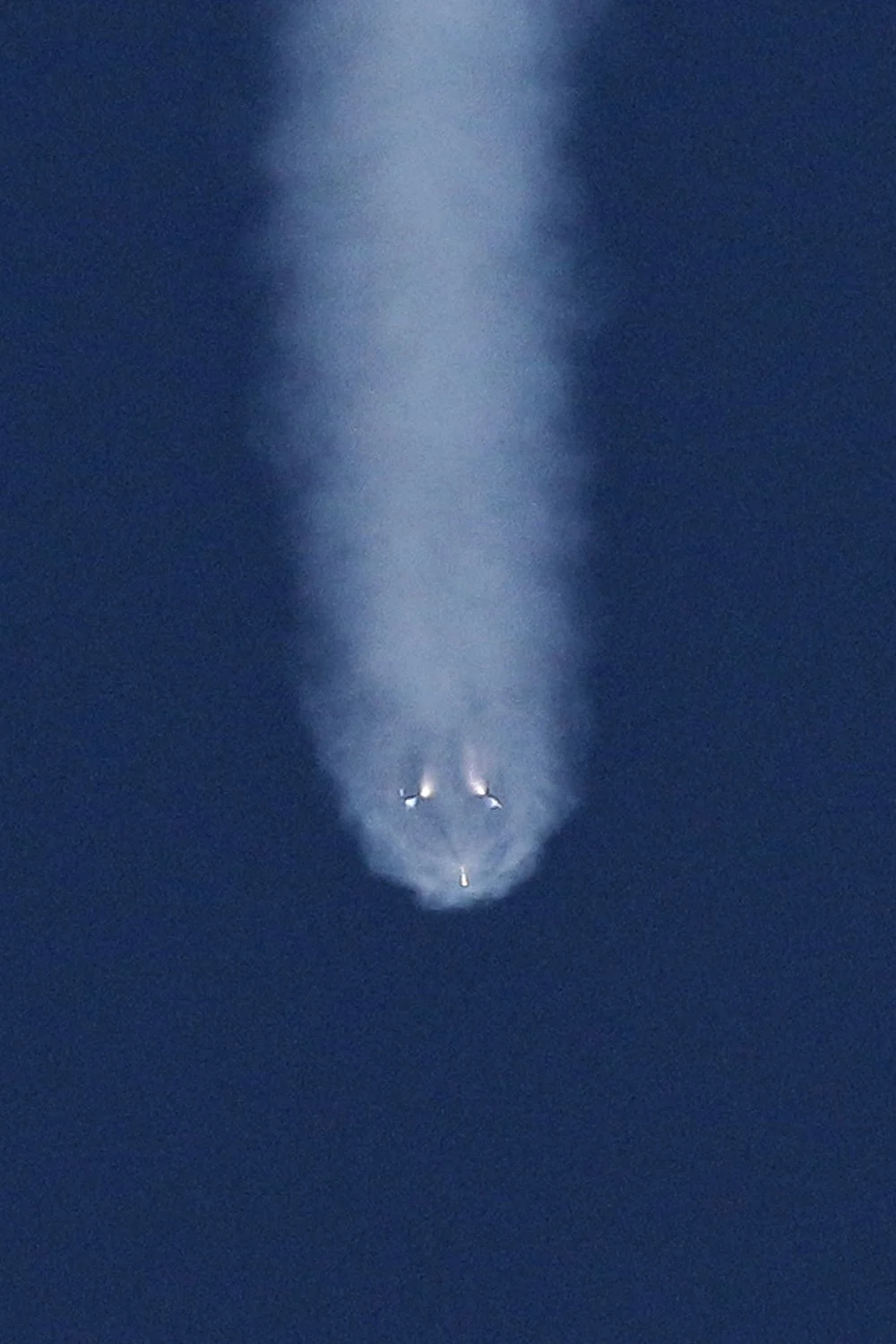
Nancy Grace Roman Telescope via Falcon Heavy
Nancy Grace Roman
The Nancy Grace Roman observatory which was brought to life and originally funded back in 2010 was renamed from WFIRST, the Wide Field Infrared Survey Telescope to the Nancy Grace Roman telescope.
Nancy Grace Roman was the first NASA astronomer back in the 1960s, and without her input, knowledge, the already proven and widely known Hubble Telescope would never have been designed and built. Today, she is still known as “The Mother of Hubble”. The Hubble telescope was launched back in 1990 aboard the Space Shuttle Discovery.
The primary concept in building Roman was simplicity. The first objective was to build a shield covering the telescope’s mirror during launch and solar array to provide electrical power.
Roman when looked in comparison against Hubble or the James Webb is far less complex as it has a smaller 7.9-foot (2.4-meter) primary mirror that is nearly three times smaller than Webb’s. The mirror was originally built to be used by the National Reconnaissance Office, for a project that was cancelled.
Roman will see a wider swath of the universe from its planned orbit known as the second-Earth Lagrange point (L2) about a million miles (1.5 million kilometers) from Earth and opposite the sun.
Comparing Roman to the Hubble Space Telescope shows a distinct difference; Hubble has a single detector (1024 pixel) whereas Roman has 18 detectors with 4096 X 4096 pixels capable of capturing more infrared light coming through the telescope.
Utilization of these detectors enables the Roman Satellite to cover about 200 times more space than Hubble. This panoramic view will focus on dark energy, dark matter and exoplanet discovery.
Additionally,another “tool” is Roman Coronagraph, was built with masks, filters, and adaptive optics capable of filtering glare from stars It is designed to photograph planets far fainter than either the Webb or Hubble.
All of this data captured will be downloaded and readily available to scientists throughout the world. The big upside to all of this data is in which the time and speed in which it is captured and made available
going on in the Milky Way galaxy and in distant galaxies.
Article: Graham Smith/WRS
Images: Graham Smith/WRS, Michael Seeley/WRS, Mike Howard/WRS
#nasakennedy #kennedyspacecenter #spacex #romanspacetelescope
@spaceimagingatteledyne @baesystems #nro.gov #spacecoastdaily #canaveral.tours #launch @nikonusa @emrekelly