
U.L.A. Lights the Night With the LEO-8 Mission
Cape Canaveral S.F.S. FL. – In the very early hours of July 2, 2026, a United Launch Alliance Atlas V 551 came to life sending the next installment of Amazon LEO satellites to orbit. This morning’s flight came at 12:30 AM EDT from Cape Canaveral Space Force Center in Florida is rapidly bringing an end to a storied history of Atlas V Centaur rockets. The mission lifted off on a NE trajectory from SLC -41. The 5 SRBs (Solid Rocket Boosters) roared to life with the Atlas’s 2 RD-180 engines clearing the tower in a few seconds, lighting Brevard County’s skies for miles.
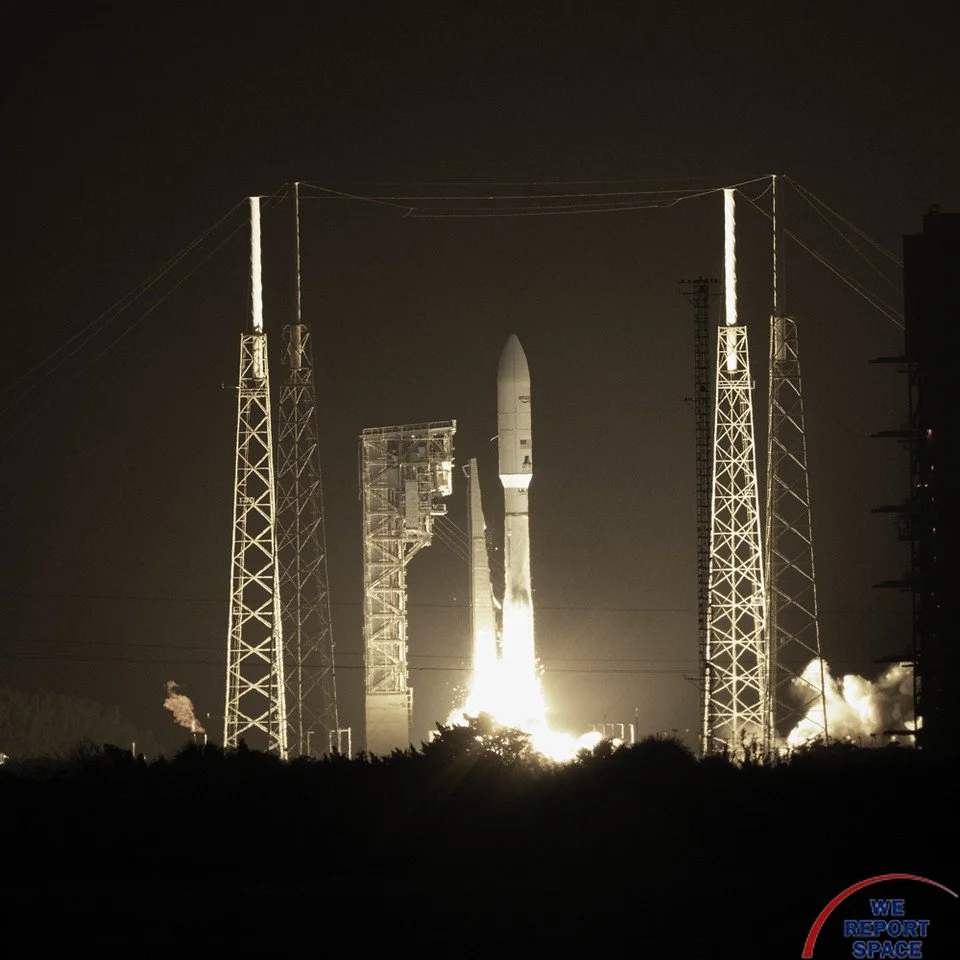
Liftoff of LEO-8 Image Credit: Graham Smith - We Report Space
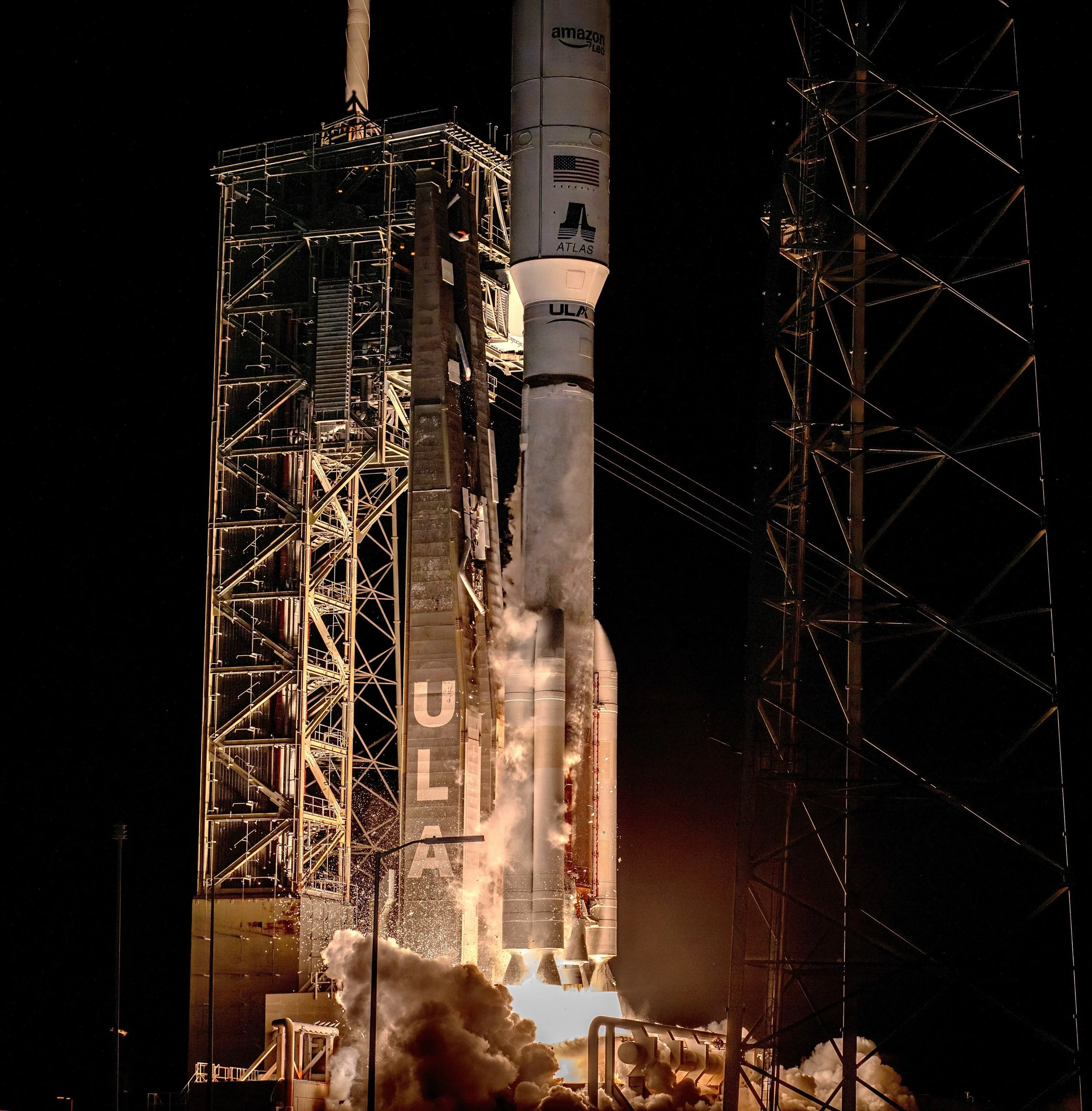
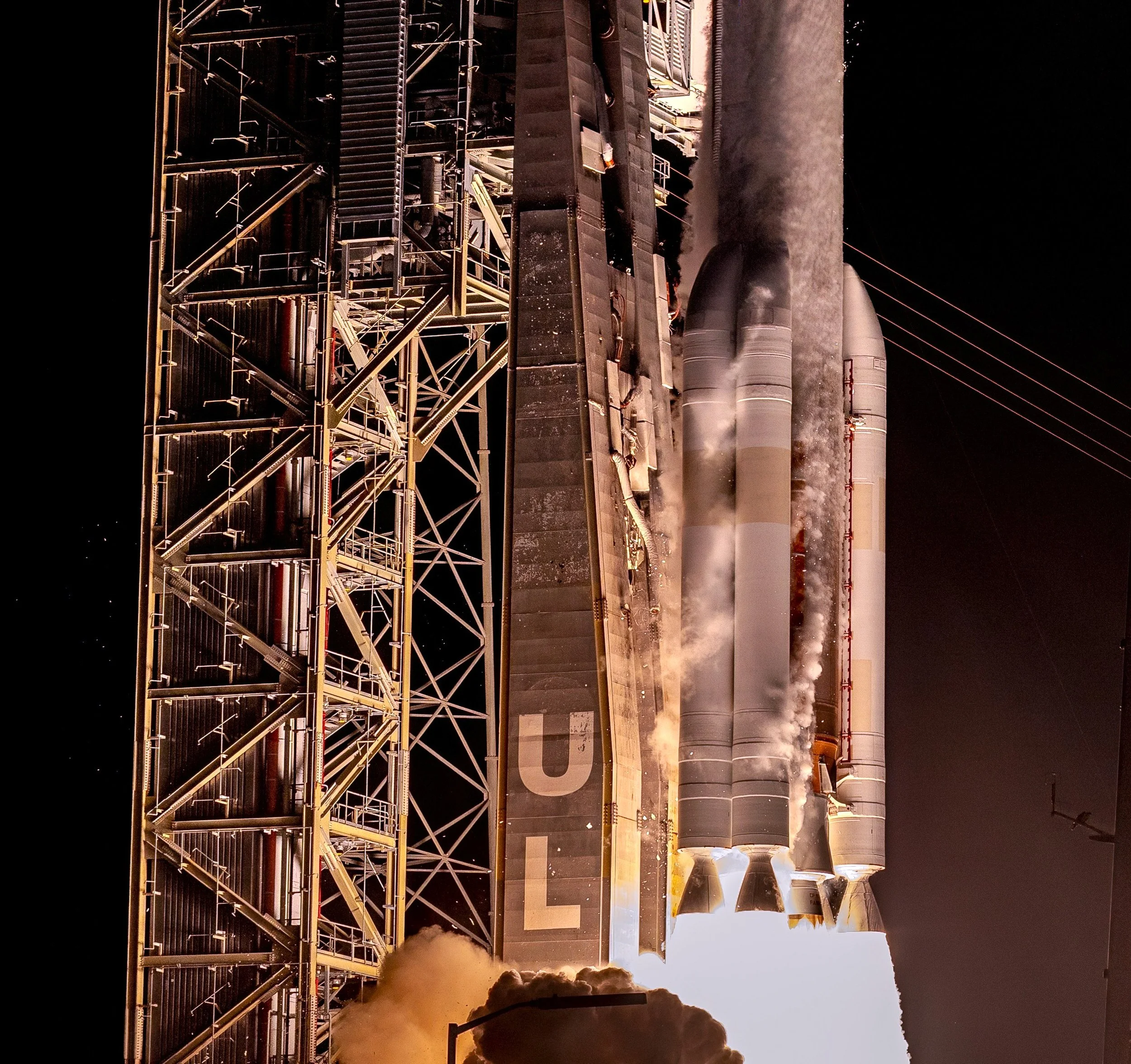
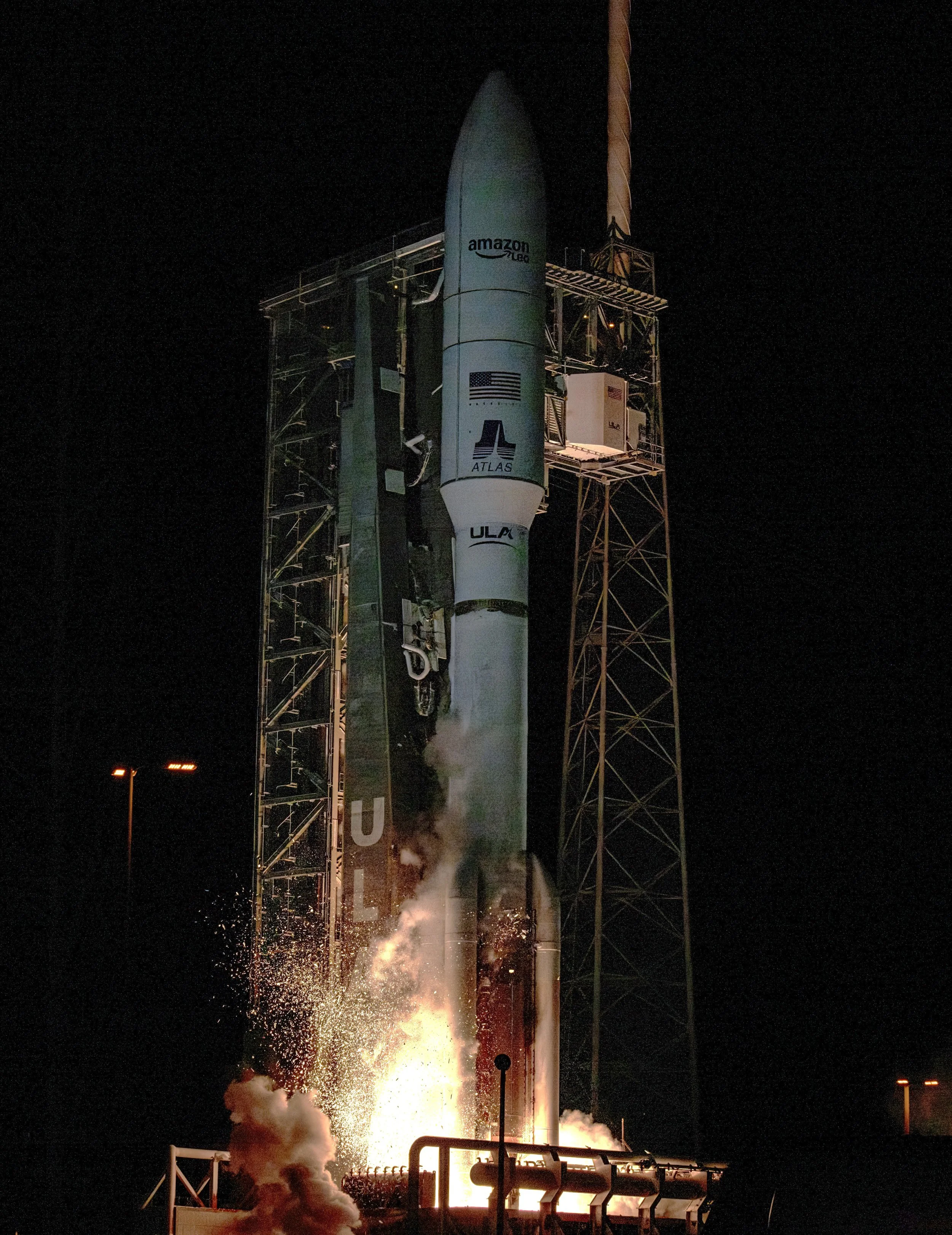
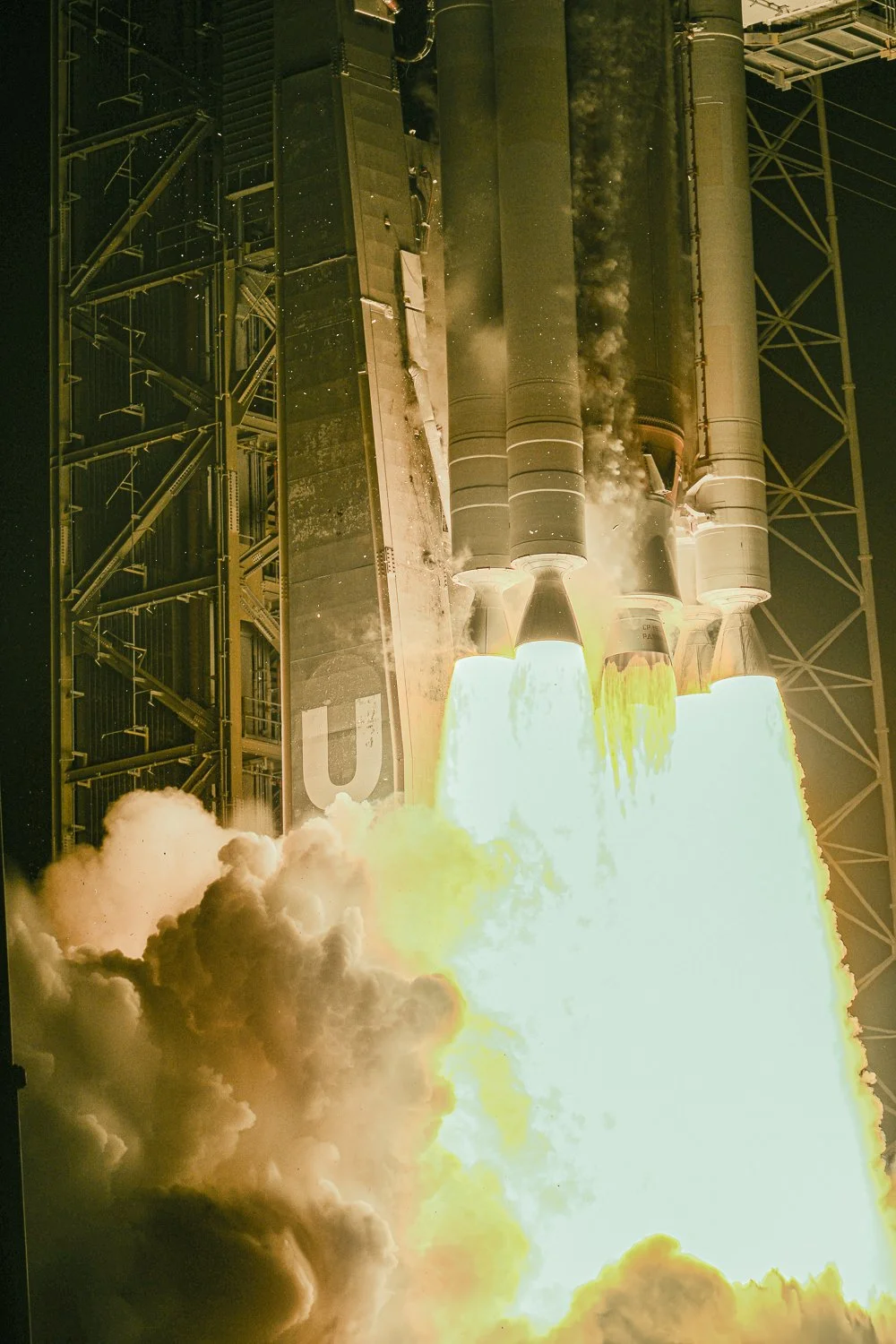
Remote Images taken @ SLC # 41 Image Credit: Dr. Eric Moore/We Report Space
After this launch there are now 5 Atlas V Centaur rockets remaining before it is permanently retired into history.
This morning’s launch also marked the last of 9 Atlas V Kuiper/Amazon Leo launches. Another “last” is it was the final flight of an Atlas V with a 5-meter fairing and the final flight of Single Engine Centaur. Additionally, the Atlas V will no longer be used to launch satellites.
In a statement from United Launch Alliance:
“ULA has been a trusted launch partner since the beginning of the Amazon Leo program,” said Gary Wentz, ULA vice president of Atlas and Vulcan programs. “Each launch advances Amazon’s vision for worldwide connectivity, and we’re proud to help build the backbone of their commercial architecture.” Continuing:
“Atlas V has played a critical role in the early deployment phase for Amazon Leo, launching 224 satellites with a 100% success rate across all eight missions, and we're excited to build on that foundation with ULA as we transition to Vulcan," said Melissa Wuerl, Amazon Leo Director of Launch Systems. "With hundreds of flight-ready satellites standing by at the Cape and a new, dedicated vertical integration facility ready to support Leo Vulcan 1 and subsequent missions, we have a clear path to increase launch and deployment cadence, helping us quickly expand network coverage following an initial service rollout later this year."
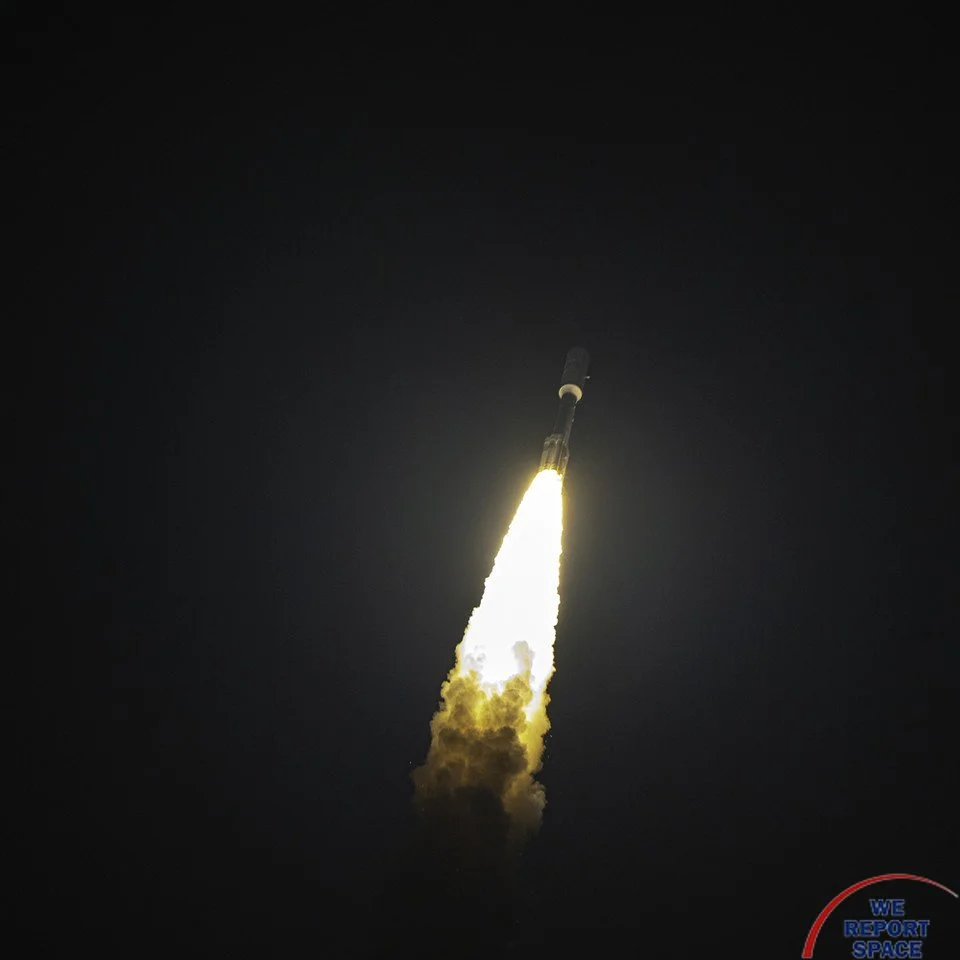
Roaring thru the Night Sky - Image Credit: Graham Smith - We Report Space
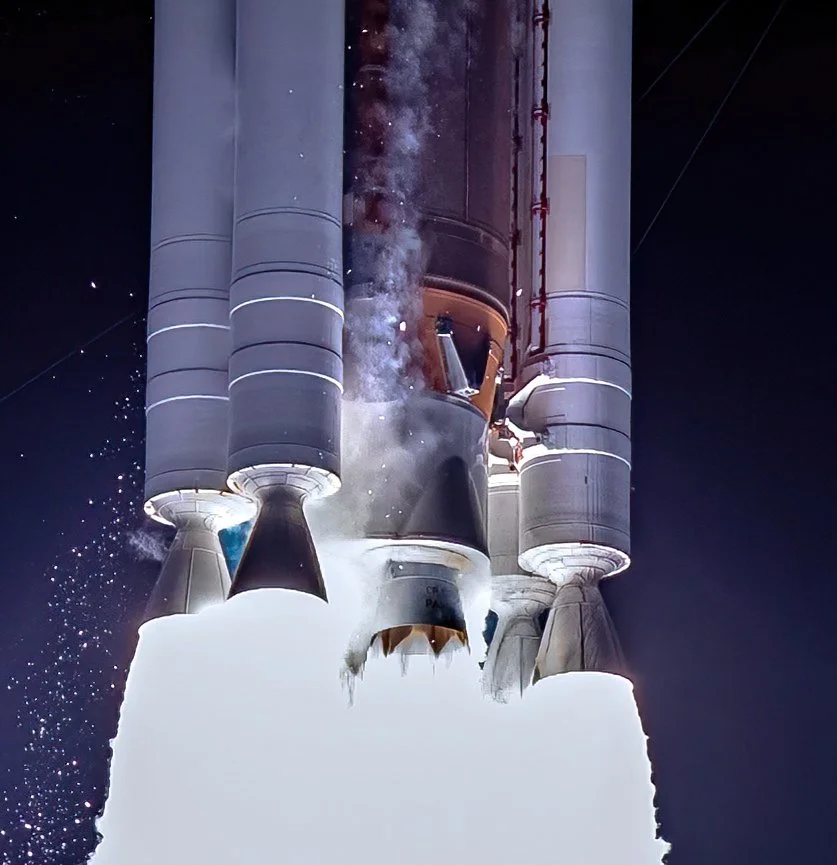
Closeup of Atlas V -551 Amazon Leo8 engines at liftoff. Image Credit: Dr. Eric Moore/We Report Space
Amazon Leo now has close to over 300 satellites in orbit compared to the 10,200 StarLink satellites (April, 2026).
Long term plans call for a deployment of over 3200 Leo satellites. Overall, the Amazon satellites are more expensive to launch compared to SpaceX which builds and maintains their own rockets, where as Amazon is left to contract with various launch providers including SpaceX.
One difference many do not recognize is the Amazon satellites are launched to a higher orbit 590–630 km versus Starlink's 340–550 km. Being higher up lets Leo cover more area with fewer satellites.
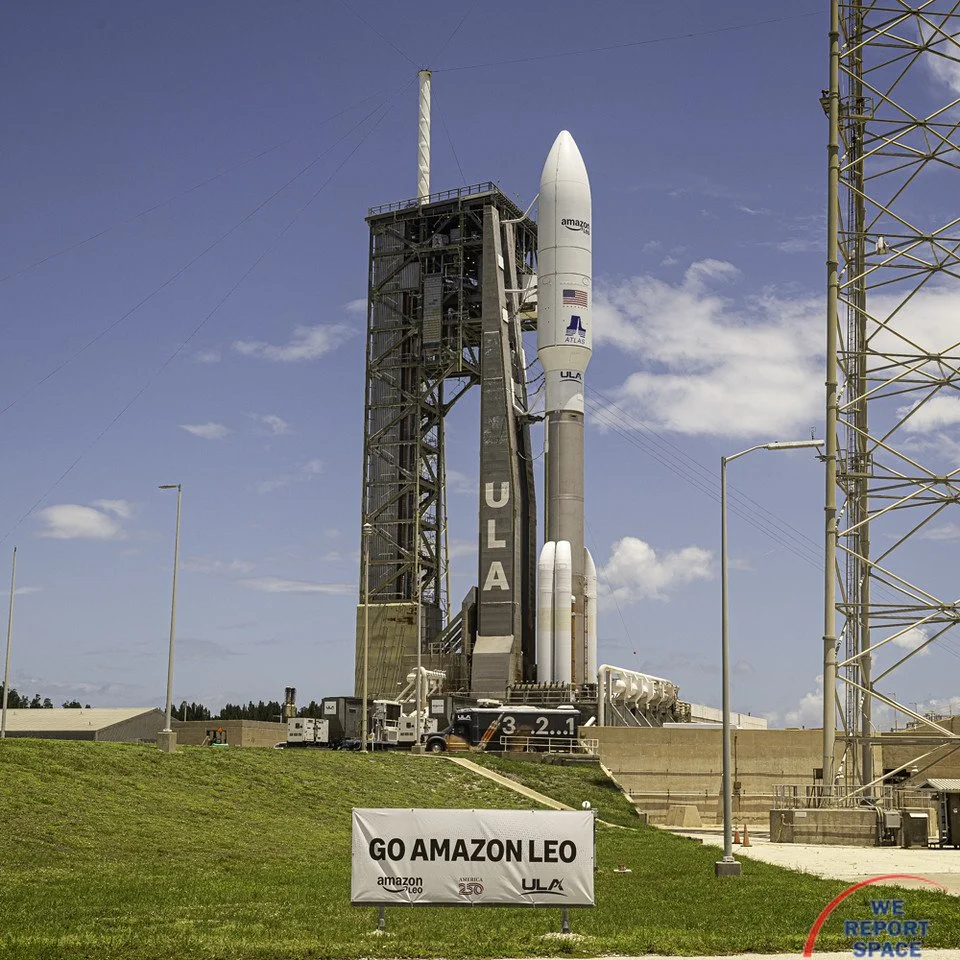
Ready for Launch - Image Credit: Graham Smith - We Report Space
Article: Graham Smith/WRS
Images: Graham Smith/WRS
#amazonleo_ #ulalaunch #sldelta45 #hkpmedianews #launch #canaveral.tours #unitedspaceforce #ussf_ssc #floridaspacecoast @northrupgrumman #orbitaltoday @emrekelly